


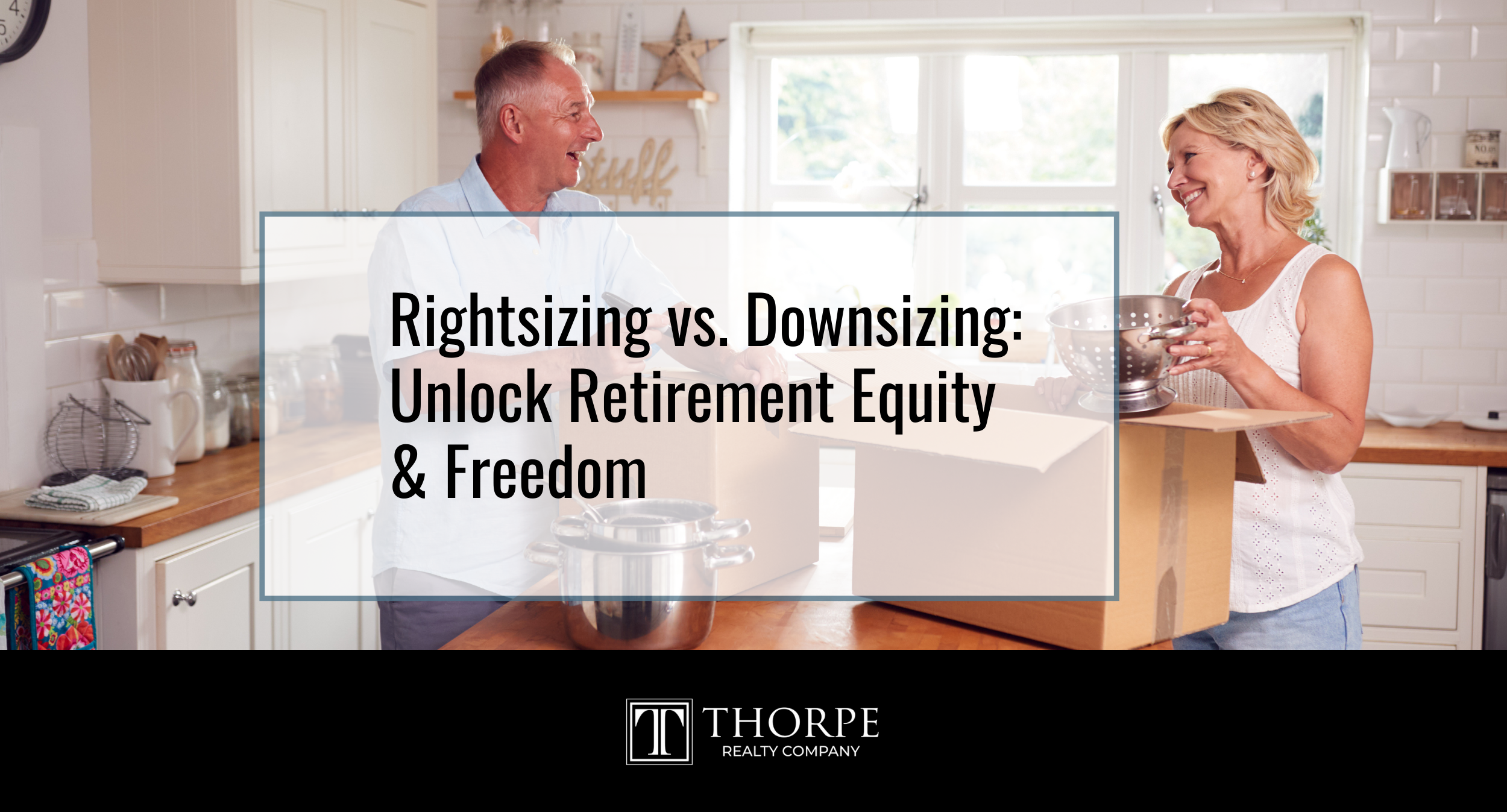
Nearly 64% of Americans aged 55 and older are seriously considering rightsizing their homes within the next decade, according to recent housing market research. This shift goes beyond simply shrinking square footage—it's about intentionally aligning your living space with your retirement lifestyle, financial goals, and future needs for greater freedom and security. Your home equity, likely grown substantially over the years, becomes a powerful tool to fund this transition, whether that means a smaller home, a more accessible condo, or even staying put with modifications. This guide explores the financial upsides like slashed taxes and maintenance, plus quality-of-life gains from reduced upkeep. You'll get strategies for the emotional side of change and practical steps to make rightsizing work for you. Ready to unlock how rightsizing can redefine your golden years?
Financial Freedom from Home Equity
U.S. property values have surged, leaving average homeowners with $212,000 in tappable equity—a game-changer for retirement. **Rightsizing** turns this asset into active financial strategy, evaluating total ownership costs (taxes, insurance, upkeep) rather than just size to support long-term stability.
Home appreciation has doubled or tripled values for long-term owners, creating capital for travel, healthcare, or investments without draining retirement accounts. Unlike pure downsizing focused on "smaller," rightsizing asks: Does this fit my 10-20 year plan, including taxes and volatility?
Selling strategically releases equity while cutting costs—property taxes over $8,000, insurance at $2,500, and $15,000 maintenance annually on big homes vanish, boosting net worth.
Enhancing Quality of Life
Rightsizing frees 55 hours yearly from yard work alone, redirecting energy to hobbies, travel, or relationships. It prioritizes function—think single-level layouts or communities with amenities—over mere reduction.
Weekends shift from repairs to pursuits like photography or volunteering, with less mental load from unused rooms. Smaller, efficient spaces reduce stress, matching your actual lifestyle for true contentment.
This creates flexibility: longer trips without worry, container gardens instead of vast lawns, and time for growth.
Emotional Considerations and Coping Strategies
Rightsizing reframes leaving memories as gaining a space that fits *now*, easing grief from sorting decades of belongings. Dr. Gary Small notes life contracts naturally, but viewing it as adventure speeds adjustment.
Use strategies like early sorting, family support, photo-documenting items, and categories (keep/donate/sell) to manage overwhelm. A Merrill Lynch study shows 51% of recent movers rightsized successfully, proving positive outcomes.
Connect with peers who've transitioned—fears of losing independence often fade, replaced by gratitude.
Practical Guide to Rightsizing
Assess usage: Note empty rooms and mobility needs to confirm if staying modified or moving aligns best. Compare full costs (taxes, utilities) versus renting or buying smaller.
Prioritize location near services, single-level designs, and storage for functionality. Time sales with market analysis, declutter, stage professionally, and coordinate moves seamlessly.
Work with retiree-specialist agents for off-market options and senior movers.
Final Thoughts
Rightsizing—not just downsizing—aligns housing as retirement infrastructure, cutting costs and unlocking equity for sustainable joy. It balances finances, emotions, and lifestyle for less burden, more freedom.
Explore your fit: financials, health, or preferences. Consult local pros for tailored plans—your empowered next chapter awaits.
Check out this article next