


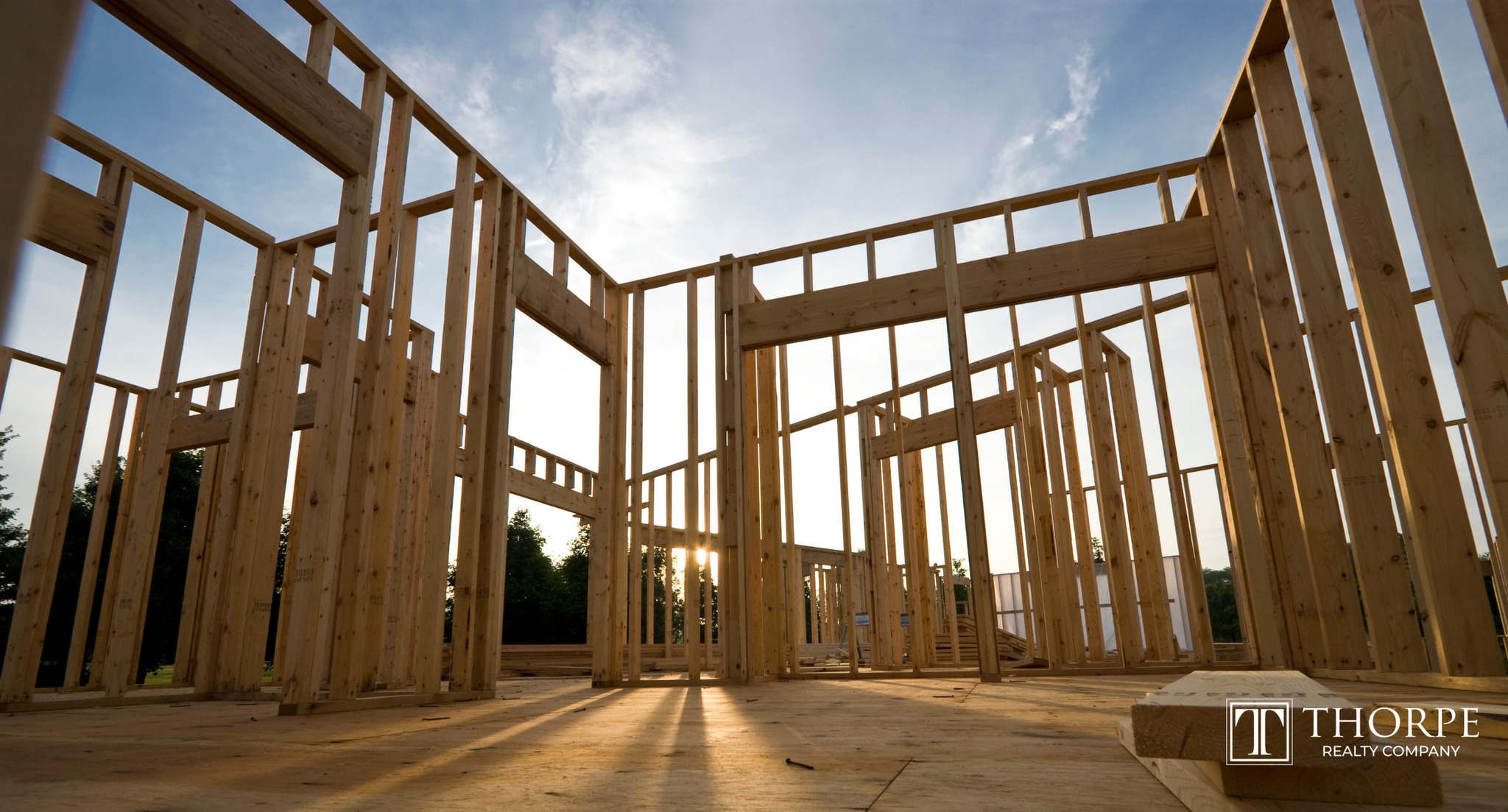
New construction homes are becoming the go-to choice for many buyers, with sales jumping 17% in the last quarter alone. This surge isn't just about shiny new appliances or that fresh paint smell. Homebuyers are catching on to the real perks of brand-new builds - modern designs that actually fit how we live today, the ability to customize without the headache of major renovations, and energy efficiency that can slash utility bills. But there's more to this trend than meets the eye. The housing market's recent shifts have created a unique situation where builders are offering deals that seemed impossible just a year ago. This article digs into the top five reasons why now might be the perfect time to consider a new construction home. We'll break down the economic factors at play, explore regional differences in new home sales, and reveal the financial incentives that could make your dream home more affordable than you think. Whether you're a first-time buyer or looking to upgrade, understanding these market dynamics could save you thousands. Ready to discover how the current new home market might be working in your favor?
Modern Design and Smart Living
Voice-activated lighting systems and automated temperature controls have become standard features in newly built homes, transforming everyday routines into seamless experiences. The global smart home market will reach 785 million homes by 2028, showing the massive shift toward tech-integrated living spaces. Automated systems now handle everything from security monitoring to energy management, creating homes that respond intelligently to their owners' needs.
Smart Home Technology
Built-in wireless networks form the backbone of these intelligent residences, connecting devices through the Internet of Things (IoT). Motion sensors activate lights only when needed, while smart thermostats learn temperature preferences and adjust automatically throughout the day. Video doorbells connect to smartphones, letting homeowners monitor deliveries or visitors from anywhere. These features don't just add convenience – they actively reduce energy waste by shutting off unused systems and optimizing power consumption.
Contemporary Architectural Styles
Open floor plans maximize natural light while creating flexible living spaces that adapt to different needs. Large windows and sliding glass doors blur the lines between indoor and outdoor areas, bringing nature inside while maintaining energy efficiency through advanced insulation. Clean lines and minimalist designs incorporate hidden storage solutions and multi-functional spaces, eliminating clutter without sacrificing functionality.
Programmable LED fixtures create different moods for various activities while using 75% less energy than traditional bulbs. Smart appliances monitor their own maintenance needs and automatically order replacements for filters or alert owners about potential issues before they become problems. The market value for these integrated technologies will grow to approximately $630 billion by 2032, proving their lasting impact on residential construction.
Digital controls streamline daily tasks, from automated morning routines that gradually brighten lights and start coffee makers to evening modes that secure doors and adjust temperatures for optimal sleeping conditions. These technological advances work invisibly in the background, creating homes that feel both sophisticated and effortlessly comfortable.
Customization Tailored to You
Building a new home means starting with a blank canvas where every detail reflects personal style and function. The National Association of Home Builders confirms that custom homes offer "unparalleled flexibility in design," giving homeowners complete control over their living space. From the initial blueprint to the final doorknob, each choice shapes a home that works perfectly for its residents.
Consider these essential customization possibilities in new construction homes:
- Layout Possibilities
- Primary bedrooms on the main floor for aging-in-place
- Extra-large kitchen islands for family gatherings
- Dedicated home offices with built-in storage
- Flex spaces that adapt to changing needs
- Expanded garage space for workshops
- Material Selection
- Premium countertop materials from quartz to marble
- Hardwood, tile, or luxury vinyl flooring options
- Cabinet styles and hardware finishes
- Window treatments and natural lighting placement
- Exterior siding and roofing materials
- Lifestyle Integration
- Yoga studios and resistance pools for fitness
- Theater rooms for entertainment
- Screened porches for indoor-outdoor living
- Smart home technology integration
- Storage solutions based on family needs
Creating personal touches transforms standard rooms into meaningful spaces. A dedicated reading nook tucked beneath a window becomes a daily retreat. The kitchen layout, precisely measured for someone who loves to cook, makes meal preparation effortless. A mudroom designed with specific storage for sports equipment keeps active families organized. These intentional design choices turn everyday routines into enjoyable experiences, proving that thoughtful customization enhances daily life in countless ways.
Energy Efficiency and Cost Savings
Modern building codes require new homes to meet strict efficiency standards, resulting in properties that consume 50% less power than homes built just two decades ago. HERS-rated homes save homeowners $1,100 annually on energy costs compared to basic construction standards. This significant reduction stems from advanced building techniques and materials that work together to minimize waste while maximizing comfort.
Double-paned windows with argon gas filling and low-E coatings block heat transfer while allowing natural light to flood living spaces. Spray foam insulation seals every crack and crevice, creating an airtight envelope that maintains consistent temperatures year-round. High-efficiency HVAC systems with programmable controls deliver precise climate management, while ENERGY STAR certified appliances cut electricity usage by up to 30% compared to standard models. LED lighting throughout new builds uses just a fraction of the power needed for traditional bulbs while lasting years longer.
Monthly utility statements show dramatic differences between new and older homes. The national average HERS Index Score has reached an all-time low of 58, proving these homes deliver measurable savings. Upgraded insulation and modern windows reduce heating and cooling costs by 25-30% annually. High-efficiency water heaters slash hot water expenses, while smart thermostats automatically adjust temperatures to optimize energy use. These improvements quickly offset any premium paid for energy-efficient features through lower operating costs.
Reducing residential energy consumption directly impacts carbon emissions and resource conservation. Advanced building materials often incorporate recycled content and sustainable manufacturing processes. Proper insulation and efficient systems mean less fuel burned for heating and cooling, leading to cleaner air and reduced strain on power grids. Water-saving fixtures and appliances protect local resources while smart technology prevents waste through automated controls. These combined efforts support broader environmental goals while providing immediate benefits to homeowners through reduced costs and increased comfort.
Financial Incentives from Builders
Builders nationwide have rolled out substantial money-saving deals in 2024, with 22% offering direct price reductions averaging 6% off listing prices. These savings packages go beyond simple discounts, creating genuine opportunities for buyers to maximize their investment while securing brand-new properties. Construction companies have developed strategic programs that combine multiple financial benefits, making home ownership achievable for more families.
Mortgage Rate Buydowns
Temporary interest rate reductions through builder-sponsored buydowns decrease monthly payments during the crucial first years of homeownership. These programs typically reduce rates by 1-2 percentage points, creating significant monthly savings. For example, on a $400,000 home, a 2-point buydown could reduce monthly payments by hundreds of dollars. Builders temporarily lower mortgage interest rates to make monthly payments more manageable, giving homeowners time to adjust their budgets or refinance when market conditions improve.
Price Reductions and Free Upgrades
Direct price cuts combine with no-cost luxury additions to deliver exceptional value. Premium appliances, high-end finishes, and additional customization options come standard instead of carrying hefty upgrade fees. Builders cover 3% to 6% of closing costs, eliminating a major upfront expense that often challenges buyers. Extended warranties protect against future repair costs, while premium features like smart thermostats and upgraded cabinets add immediate value without increasing the purchase price.
Getting multiple financial benefits at once creates substantial savings. The combination of reduced interest rates, included upgrades, and covered closing costs can save buyers tens of thousands of dollars compared to purchasing an existing home. Negotiating these packages requires understanding which incentives deliver the most value for individual situations. Professional guidance helps identify optimal combinations of available offers, ensuring buyers maximize their investment while securing their ideal new home.
Regional Market Insights
The Southeastern United States leads residential development with a remarkable 33% share of new construction listings, setting record-breaking numbers in states like Florida, Georgia, and the Carolinas. Texas cities dominate construction permits, particularly in suburbs surrounding Dallas and Austin where builders capitalize on available land and strong job markets. These areas offer buyers more square footage and amenities compared to established neighborhoods in urban cores.
Mid-sized cities across the Midwest show surprising momentum in residential development. Cities like Indianapolis and Columbus attract buyers with competitive pricing – often 15-20% below coastal averages for comparable new builds. Local builders in these markets maintain steady production schedules, creating opportunities for buyers to secure homes without the intense competition found in larger metropolitan areas.
Mountain states demonstrate unique buying patterns, with Montana and Idaho seeing increased demand from remote workers seeking spacious properties. Salt Lake City's outskirts feature master-planned communities that combine accessibility with mountain views. These developments typically include larger lot sizes and outdoor-focused amenities, appealing to buyers prioritizing lifestyle alongside home features.
Price variations between markets create distinct advantages for strategic buyers. While coastal regions command premium prices, secondary markets offer substantial value – especially in areas experiencing job growth and infrastructure improvements. Buyers find success by researching local builder reputations and comparing standard features across different developments within their target region.
Negotiating power shifts significantly based on local inventory levels and seasonal patterns. Summer months typically bring increased selection but higher competition, while winter buyers often secure better deals despite limited choices. Understanding these cycles helps buyers time their purchases effectively. Builder concessions vary widely by region – some areas focus on closing cost assistance while others emphasize design center credits or lot premiums.
Studying permit data reveals upcoming developments before they hit the market, giving proactive buyers first access to new phases and premium lots. Local economic indicators – job growth, population trends, and commercial development – signal which areas will see sustained demand. Successful negotiations often result from understanding these market fundamentals rather than focusing solely on price points.
Final Thoughts
New construction homes offer clear advantages for buyers right now. The combination of modern designs, energy-efficient features, and custom options gives you a home that fits your exact needs without requiring renovations. Builder incentives make these properties more affordable than many realize - from rate buydowns to closing cost assistance, the savings add up fast.
The value of a new construction home extends well beyond move-in day. Energy-efficient systems reduce monthly bills, while modern materials need less maintenance over time. Custom layouts mean you won't need expensive remodeling later. Plus, new homes often come with warranties that protect your investment for years.
Getting expert help matters when buying new construction. Real estate agents who know the local market can spot the best deals and negotiate with builders on your behalf. They'll help you understand contract terms, building timelines, and which upgrades give you the most value.
The market has shifted in buyers' favor. Builders want to sell their inventory and are willing to work with serious buyers. Now's a smart time to explore your options. Talk to a real estate agent who specializes in new construction. Visit model homes in your target areas. Compare builder offerings and incentives. With proper guidance, you could find yourself in a brand-new home that perfectly matches your lifestyle and budget.